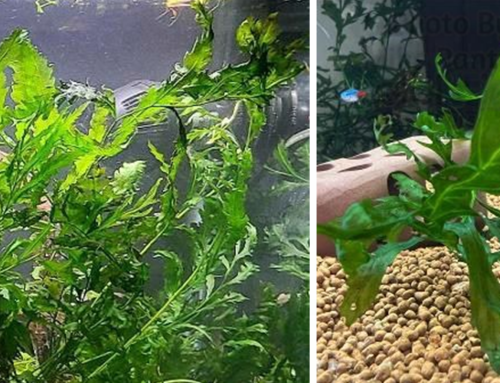

One of the most stunning aquatic plants, in my opinion, is the Red Root Floater, known scientifically as Phyllanthus fluitans. This remarkable plant is typically an easy grower in a multitude of conditions, yet I commonly hear hobbyists complain about two main issues. The first is struggling to keep and propagate them. The second is that the Red Root Floaters aren’t red but mostly green! I am going to go over the basics of plant care for this attractive floater and talk about tackling those two issues specifically. I will also discuss how these vibrant plants not only grow and propagate rapidly but also provide essential benefits to an aquarium.
Some of the benefits of keeping this plant, aside from its beauty, include preventing excessive algae growth. One of the ways it does this is by offering shade — Red Root Floater is a floating plant and will literally float along the surface of the water, providing shade from the light above it. Red Root Floater also helps prevent excessive algae growth because it uses up nutrients faster than submerged plants do. These nutrients are what algae feed on, and the Red Root Floaters literally outcompete the algae for these nutrients in the water, preventing their rapid growth.
These floaters multiply rapidly under a wide range of conditions. They propagate through seeds or runners, with side shoots branching out and breaking into more floaters that quickly cover the tank surface. Red Root Floaters are hardy and can thrive in a wide range of pH conditions, but they seem to do best in water with a pH between 6.6 and 7.6 and a recommended temperature between 68°F and 86°F. Red Root Floater also contributes to oxygenation and denitrification, making them perfect for low-flow aquariums.
Red Root Floaters are mainly known for their stunning visual appeal. Under bright lighting, their usually green leaves transform into red and pink hues, accompanied by tiny white flowers and striking electric red roots. These floaters prefer calm waters, so avoid placing them in areas with heavy water flow. In a strongly filtered aquarium, you may need to create a barrier to protect them from strong currents. This is usually the first issue hobbyists seem to have — they put this plant into a tank with too much flow, which is the opposite of what this plant needs to not only thrive but just to survive!

Red Root Floater displaying its vivid coloration
Another example of the versatility of Red Root Floaters is how they can adapt to low, medium, or high light conditions. However, their leaf and root color will vary largely based on light intensity — this leads us to the second main issue: “But it’s not red, it’s green.” Under low to medium light, the leaves will remain bright green with hints of red only around the edges or slightly in the center. The plant can still thrive under these conditions but will lack the intense red coloration it is named for. Soft water is preferable under these conditions for optimal growth.
However, under stronger lighting, the leaves will turn completely red. Further, to achieve the deepest red hues under high lighting conditions, you need to make sure the tank is supplied with iron, which can further intensify this red coloration. Under these lighting conditions, you will see optimal growth and overall success in harder water instead of softer water.
So, to sum it all up: in order to outsmart your Red Root Floater and keep it thriving, ensure they are in an environment with minimal water movement or surface agitation. If you want to keep it green, use low lighting and softer waters. If you want it to be red, use high-intensity lighting with harder waters — and remember that iron supplements will increase red coloration too. These floaters not only add aesthetic appeal but also contribute to oxygenation and denitrification, making them perfect for low-flow aquariums. By understanding and catering to Red Root’s specific needs, you can outsmart any potential challenges and enjoy the vibrant, dynamic presence of Red Root Floaters in your aquatic setup.
Want a specific plant featured? Want to submit photos of your plants? Email: PicKFishPets@gmail.com