
QUICK CARE
TEMPERATURE
75 – 80°F
MAX SIZE
4 inches
TEMPERAMENT
Semi-Aggressive / Aggressive
PH
7.8 - 8.6
MIN TANK
40 Gallons
DIET
Omnivore
WATER HARDNESS
10 = 20 dGH
LIFESPAN
6 - 10 Years
CARE LEVEL
Easy / Moderate
COMMON NAME
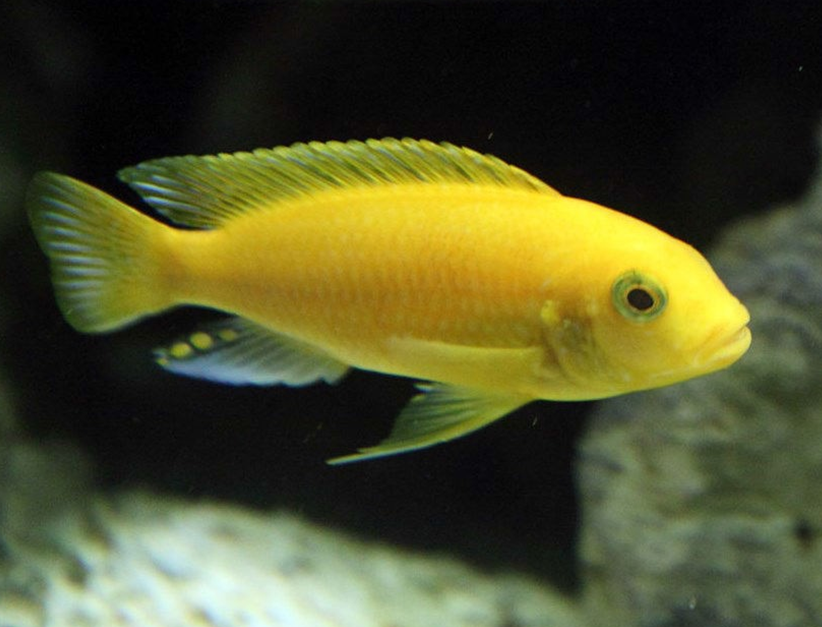
Electric Yellow Cichlid / Yellow Lab
ORIGIN
Lake Malawi, Africa
TANK MATES
Peaceful to moderately aggressive Lake Malawi cichlids, including Acei and Rusty cichlids.
SCIENTIFIC NAME
Labidochromis caeruleus
CONSERVATION STATUS
Least Concern
THE QUICK CATCH | SPECIES PROFILE
As a long-time fish enthusiast, there have been plenty of fish I’ve kept. There were times I had large African cichlid tanks, even though I stopped keeping them personally in the last few years. But one of the most basic African Cichlids is also one of my favorites: Labidochromis caeruleus, commonly known as the Electric Yellow Cichlid or Yellow Lab. Their vibrant yellow coloration, relatively peaceful nature (by African cichlid standards), and ease of care make them an excellent choice for both beginners and experienced aquarists alike. Over the years, I’ve kept and bred these fascinating fish — and I’ve even bred them when I wasn’t actively trying to.
Creating the right environment is key to ensuring Labidochromis caeruleus thrive. Since they originate from the rocky shorelines of Lake Malawi, I set up their tank to mimic their natural habitat. I chose a 55-gallon setup, though in my opinion a larger tank is always better for maintaining stability and reducing aggression. The substrate consisted of fine cichlid sand, as it closely resembles the lake bed and allows them to exhibit natural digging behaviors — I also added crushed coral which I’ll talk more about later. I also added plenty of limestone rocks and caves, which provide both hiding spots and territorial boundaries. These structures help prevent aggression, as each fish can establish its own space.
Water conditions are crucial for Labidochromis caeruleus. Being a Malawi cichlid, they require a pH range of 7.8 to 8.6 and moderate to high water hardness, ideally between 10–20 dGH. To maintain these parameters, I use crushed coral in the substrate and a few pieces of Texas holey rock, which naturally buffer the water. Regular water changes and a high-quality filtration system are also necessary to keep parameters stable and prevent buildup of toxins.
Unlike many other Mbuna cichlids, Electric Yellows are on the more peaceful side. That being said, they are still cichlids, and territorial disputes can and will arise, especially if tank space is limited. I’ve found that keeping them in a group of at least five or more helps disperse aggression, as it prevents a single fish from being singled out by more dominant individuals. When choosing tank mates, I stick to other relatively mild-mannered Mbuna species such as Rusty Cichlids (Iodotropheus sprengerae) or Acei Cichlids (Pseudotropheus acei). In my opinion, avoiding overly aggressive species like Melanochromis or Auratus cichlids is important, as they can stress out the Electric Yellows.
Feeding Labidochromis caeruleus is straightforward. They are omnivores, feeding naturally on a mixture of algae, aufwuchs, insect larvae, small crustaceans, and other invertebrates found among the rocks. I provide them with a high-quality spirulina-based cichlid pellet as their staple food, supplemented with blanched vegetables like zucchini and spinach. I also offer frozen foods such as brine shrimp and mysis shrimp for variety, while avoiding excessive amounts of rich foods and overfeeding.
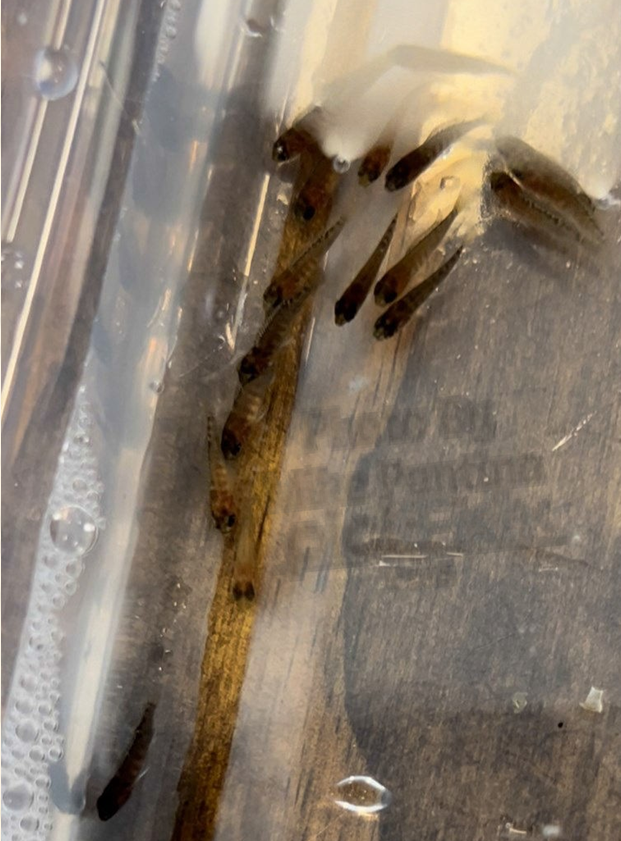
Breeding Electric Yellows is one of the easiest aspects of keeping them. Like many Mbuna, they are maternal mouthbrooders — the female carries the fertilized eggs in her mouth until they hatch. My first experience with breeding them was accidental: I noticed one of my females holding a mouthful of eggs and became fascinated by the process. To encourage breeding, I ensure there are plenty of hiding spots and maintain excellent water quality. A ratio of one male to at least three or four females works best, as it prevents a single female from being excessively harassed. After about 3-4 weeks of incubation, the fry are released fully formed and capable of feeding on their own. At this stage, I provide finely crushed flake food and baby brine shrimp to ensure they grow strong and healthy.
Labidochromis caeruleus is a fantastic species that brings vibrant color and engaging behavior to any African cichlid setup. Their adaptability, ease of breeding, and relatively peaceful nature make them an excellent choice for hobbyists looking to dive into the world of Lake Malawi cichlids. Prioritize water quality, provide plenty of hiding spots, and maintain a proper male-to-female ratio if you plan to breed them. In return, you’ll be rewarded with a lively, beautiful aquarium filled with the charm and personality of one of Malawi’s most beloved cichlids.
As always, submit any questions, comments or requests to: PicKFishPets@gmail.com