
QUICK CARE
TEMPERATURE
78 – 84°F
MAX SIZE
3 inches
TEMPERAMENT
Peaceful / Terrrorial with conspecifics (own kind)
PH
6.0 – 7.5
MIN TANK
20 gallons
DIET
Carnivore-leaning Omnivore
WATER HARDNESS
2 - 12 dGH
LIFESPAN
10+ years
CARE LEVEL
Moderate
COMMON NAME
Zebra Pleco (L046)
ORIGIN
Rio Xingu, Pará, Brazil
TANK MATES
Peaceful, non-competitive community fish
SCIENTIFIC NAME
Hypancistrus zebra
CONSERVATION STATUS
Criticlly Endangered
THE QUICK CATCH | SPECIES PROFILE
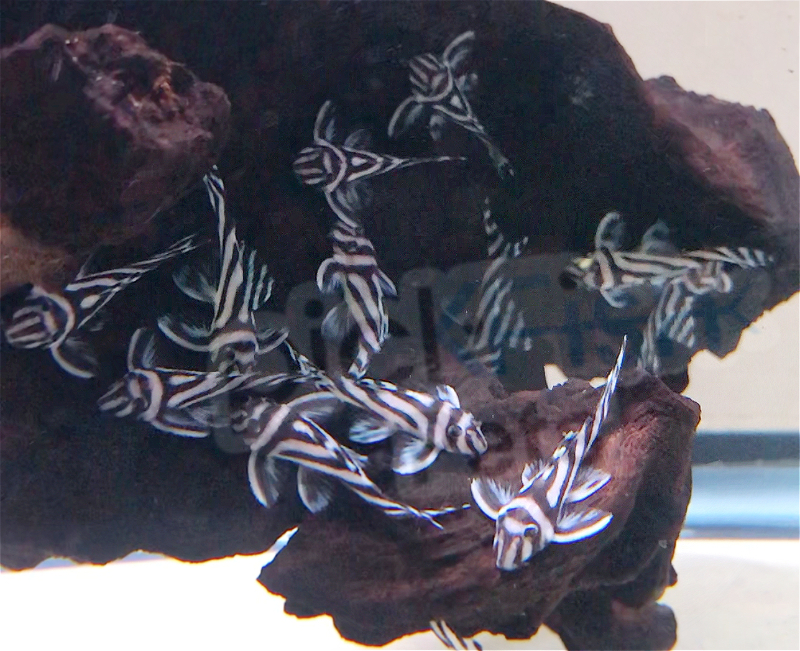
If you’ve ever laid eyes on the L046 true Zebra Pleco (Hypancistrus zebra), it’s no mystery why it’s earned its name and reputation as one of the most coveted fish in the aquarium hobby. This captivating species boasts a striking black and white coloration that sets it apart from the rest. Scientifically known as Hypancistrus zebra, it also goes by the common names The Zebra Catfish/Pleco and The Imperial Pleco. The species is best known by the L-number L046, while L098 was also assigned to unusually patterned individuals displaying more irregular or wavy lines. Both are now recognized as Hypancistrus zebra.
This extraordinary fish burst onto the scene in the late 80s and early 90s, gaining popularity for its unique appearance. Sporting the typical features of a catfish, the Zebra Pleco stands out with its distinctive black and white coloration, creating a stunning alternating pattern that runs laterally across its body, fins, and tail. However, this beauty comes at a cost — this fish is one of the more expensive in the hobby. Firstly, the Zebra Pleco is listed as Critically Endangered, and secondly, Brazil prohibited the collection, transport, and trade of wild Zebra Plecos for the aquarium hobby after the species was placed on the country’s endangered-species list in 2004. Today, one of the greatest threats to the species is habitat alteration caused by the Belo Monte Dam complex on the Xingu River. While Brazil no longer sells these fish, other countries do, albeit at a significant price due to their rarity, as well as hobbyist and commercial breeders. Another reason is the low number of eggs laid in each breeding session — usually only up to 15. So still expect to pay well over $100 for a juvenile and a lot more for adult sized specimens in most cases.
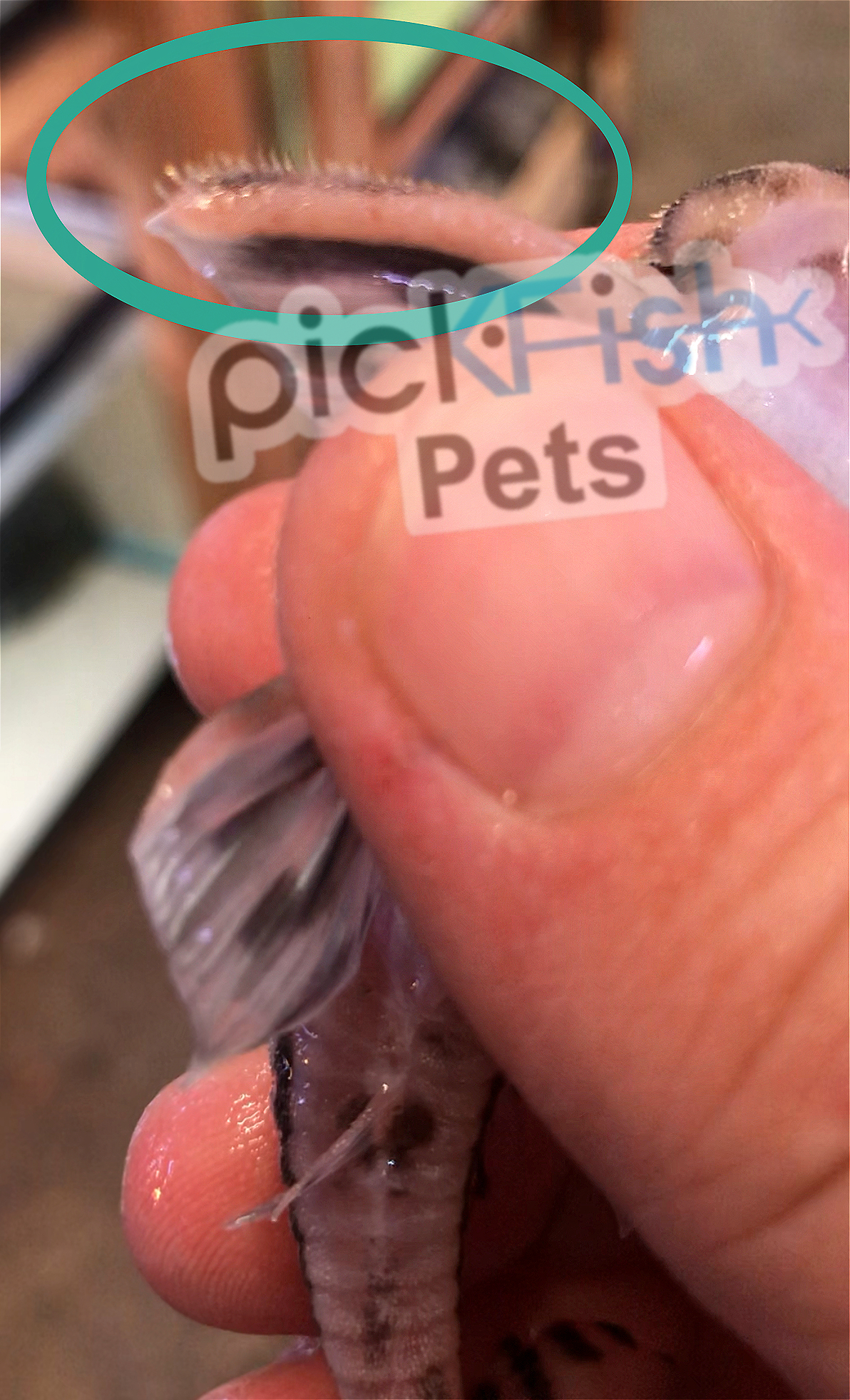
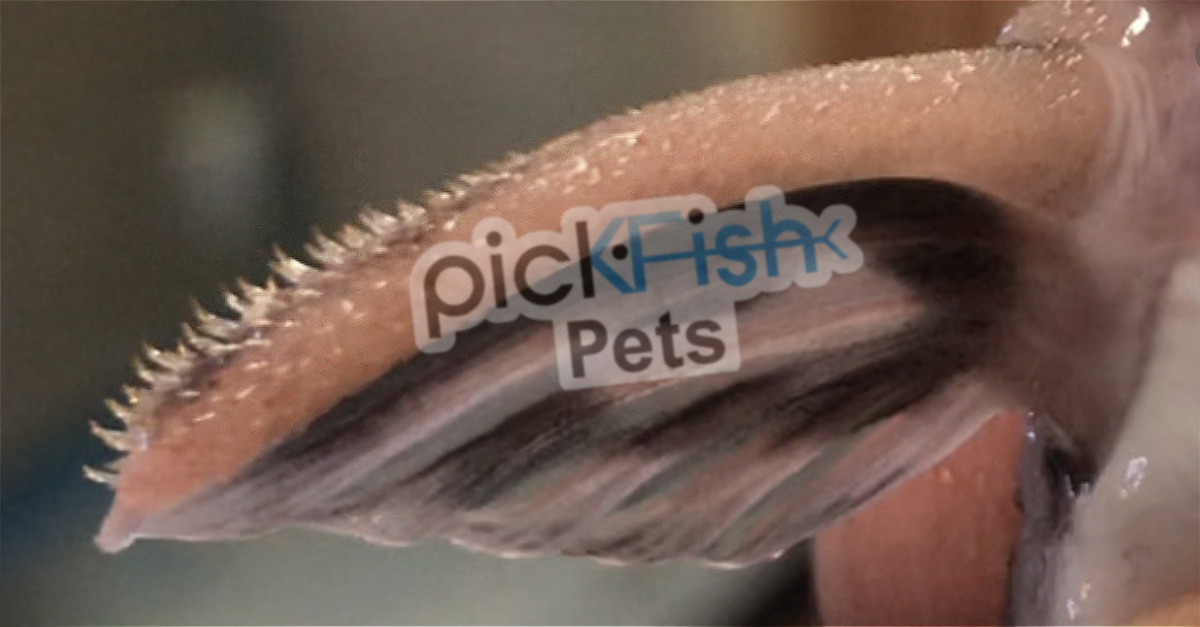
Sexing the Zebra Pleco can sometimes be tricky in my opinion. Males typically exhibit thicker pectoral fin rays and develop odontodes on them as well as below their eyes. Males also have a slightly broader head than the females, best observed from above in a shallow bucket or kitty litter pan. Twice I have obtained small groups of Zebras only to end up with 100% males each time after growing them out for about 6 to 9 months. While full grown adult males can be sourced, it is not typical to find a full-grown female for sale or import.
Feeding habits reveal the Zebra Pleco’s carnivorous preference, backed by its small and lightly toothed mouth which indicates a poor ability to eat algae. Preferred foods in my experience have included meaty options both live and frozen — bloodworms, blackworms and brine shrimp, along with protein-rich pellets were readily accepted. Although primarily carnivore-leaning, they may also accept occasional algae wafers or plant-based foods, but these should not make up the majority of their diet.
A very shy eater, the Zebra Pleco may struggle for food with fast or aggressive companions. Ideal tank mates that I have been successful with include Cardinal and Ember Tetras, Celestial Pearl Danios, and neocaridina shrimp. I’ve also housed them with Limia species and some smaller corydoras with no issues. In my experience they ate best and thrived in lightly stocked tanks, particularly 20-gallon longs and 40-breeder aquariums. They did not fare as well in 75-gallon tanks stocked with Discus, Angelfish or Rainbows, even when they were 3+ inches and full grown. Despite their peaceful nature towards other fish, intra-species aggression does arise during territorial disputes especially with males, so if you plan to house multiple it is best to provide individual territories throughout the aquarium. They thrive in warmer waters — best between 78 and 84 degrees Fahrenheit — but also handled 88-degree temperatures during ich/parasite treatments completely unfazed.