
QUICK CARE
TEMPERATURE
75 – 82°F
MAX SIZE
6 inches
TEMPERAMENT
Peaceful / Predatory
PH
6.0 – 7.5
MIN TANK
40 gallons
DIET
Carnivore / Insectivore
WATER HARDNESS
2 – 15 dGH
LIFESPAN
5 - 6 years
CARE LEVEL
Moderate
COMMON NAME
African Butterfly Fish
ORIGIN
West & Central Africa
TANK MATES
Peaceful bottom/midwater fish too large to swallow
SCIENTIFIC NAME
Pantodon buchholzi
CONSERVATION STATUS
Least Concern
THE QUICK CATCH | SPECIES PROFILE
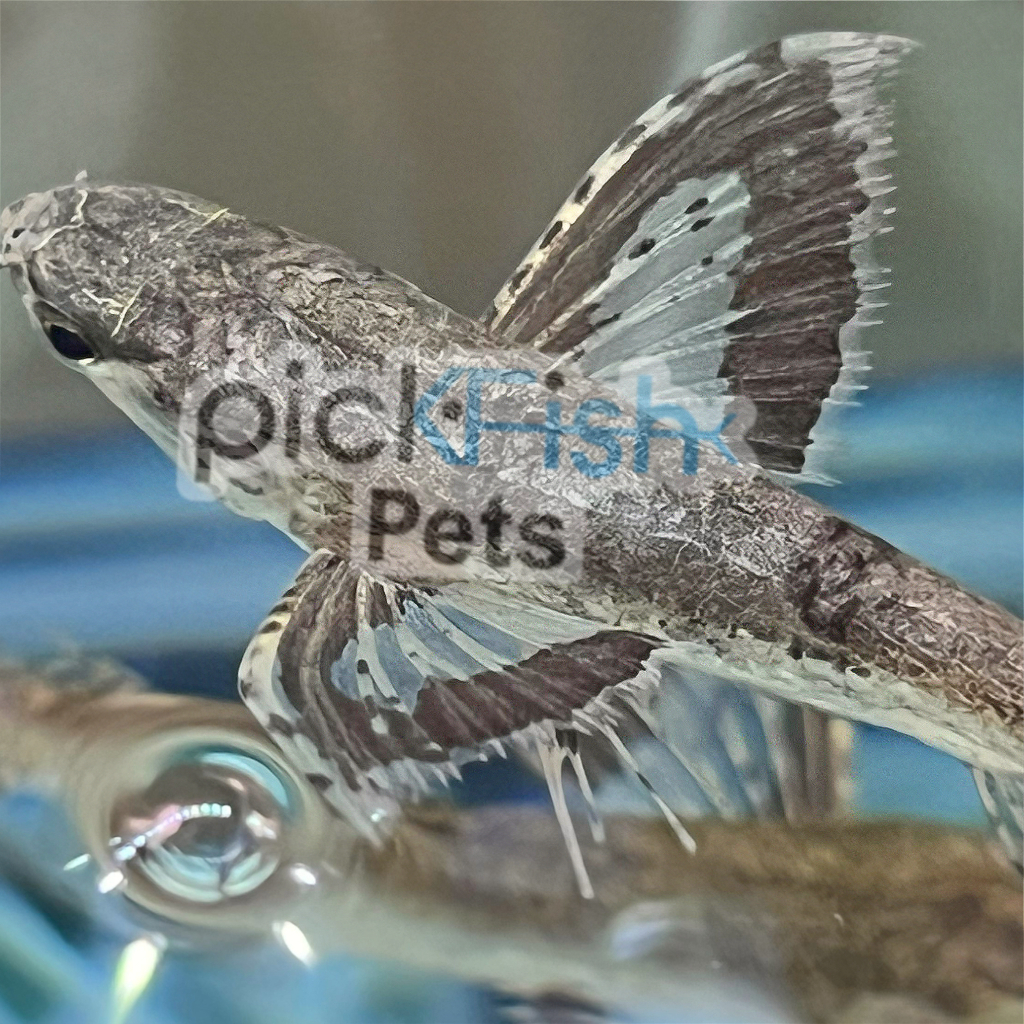
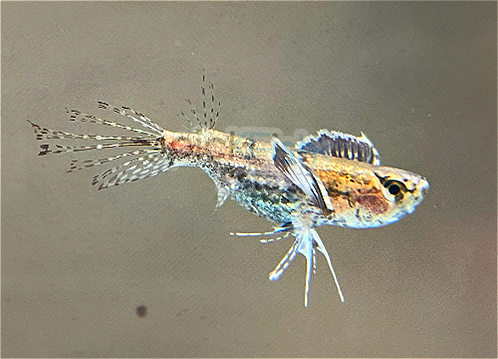
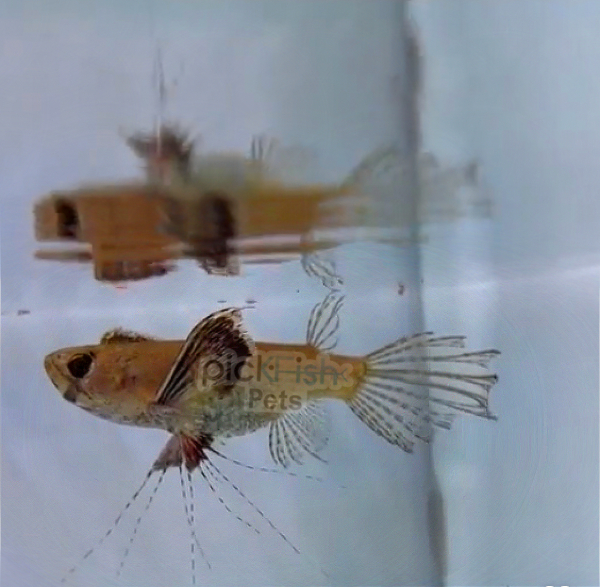
Mainly found in calm bodies of water throughout West and Central Africa, spending much of their time just beneath the water’s surface, this unique fish is known as the African Butterfly Fish — Pantodon buchholzi. At first glance, you might find yourself pondering, “Hmm, that looks somewhat like a peculiar Arowana.” Well, you’re not far from the mark! This captivating fish indeed bears a striking resemblance to a dwarf or compact version of an Arowana, and there’s a fascinating reason behind this — they are distant relatives within the same taxonomic order: Osteoglossiformes. Aside from the beautifully patterned fins that look like butterfly wings (hence the name), their physical similarities are met with the fact that these fish also share intriguing behavioral traits with the Arowanas!
One of the coolest things about the African Butterfly Fish is its incredible ability to launch itself completely out of the water. Although they were once commonly described as being able to “glide” or even “fly,” research has shown that what they’re actually doing is a powerful ballistic jump using their large pectoral fins. These jumps can still carry them a surprising distance across the water’s surface. Like the Arowana, this fish has an upward-angled mouth made for snatching insects and small fish at the surface, including insects that land on or pass close to the water. I remember in my early 20s when I would change the water in the tank that housed my African Butterfly Fish, I would use the low water level as an opportunity to feed them some of my gecko’s crickets. In pursuit of the crickets, they would leap into action, sometimes even covering considerable distances across the tank, darting after the crickets among protruding driftwood, along the water’s surface, and amid floating plants.
Undoubtedly, this fish is a skilled predator, devouring anything that fits into its voracious mouth. However, its preferred delicacies include spiders, crickets, and any other insects that venture across the water’s surface. In an aquarium, they readily accept most prepared foods including floating pellets, freeze-dried and live insects, and even flakes.
With the capacity to reach up to 6 inches in length and a lifespan of 5 to 6 years, it’s no wonder that the African Butterfly Fish has gained popularity among hobbyists, especially those who lack the space to house an Arowana tank. Ideally in my opinion, these fish should be kept in a minimum 40-gallon breeder tank, as they predominantly reside near the water’s surface and require more horizontal space than vertical. They thrive in aquariums with slow or low water flow and are particularly fond of tall, floating plants. Because they are air breathers, they need unobstructed access to the water’s surface. However, because of their incredible jumping ability, a tight-fitting lid is an absolute necessity.
When selecting tank mates for the African Butterfly Fish, it’s essential to exercise caution. Given their predatory nature, a general rule of thumb is to avoid keeping any fish that can fit into their mouths. Furthermore, it’s advisable to refrain from housing them with other species that favor the upper water layers, as territorial and aggressive tendencies may surface. Personally, I’ve had success keeping them in the company of mostly bottom dwellers such as Ropefish, various corydoras, Geophagus, and in tanks teeming with plecos. I’ve also had luck keeping them with schools of medium-sized tetras.
In conclusion, the African Butterfly Fish is a captivating and unique addition to a proper aquarium. Its resemblance to the Arowana, coupled with its remarkable airborne maneuvers and intriguing hunting habits, make it a standout species for many aquarium enthusiasts. However, it’s essential to provide them with the appropriate tank conditions and choose their tank mates wisely to ensure their well-being and harmonious cohabitation. Whether you’re a seasoned aquarist or a new fish enthusiast, I believe the African Butterfly Fish promises a captivating journey into the world of aquatic wonder.
As always, submit any questions, comments or requests to: PicKFishPets@gmail.com